“The right time isn’t a number—it’s when your reflection no longer matches how you feel.”
When I began my practice more than 30 years ago, the average age of a facelift patient was 56. Today, it’s closer to 46. The shift isn’t vanity—it’s vigilance. People are taking better care of themselves than ever before. Advances in bioidentical hormones, longevity medicine, nutrition, and even medical weight management with semaglutides have transformed how and when we age.
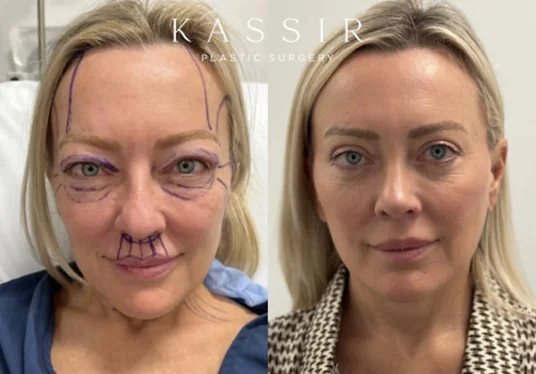
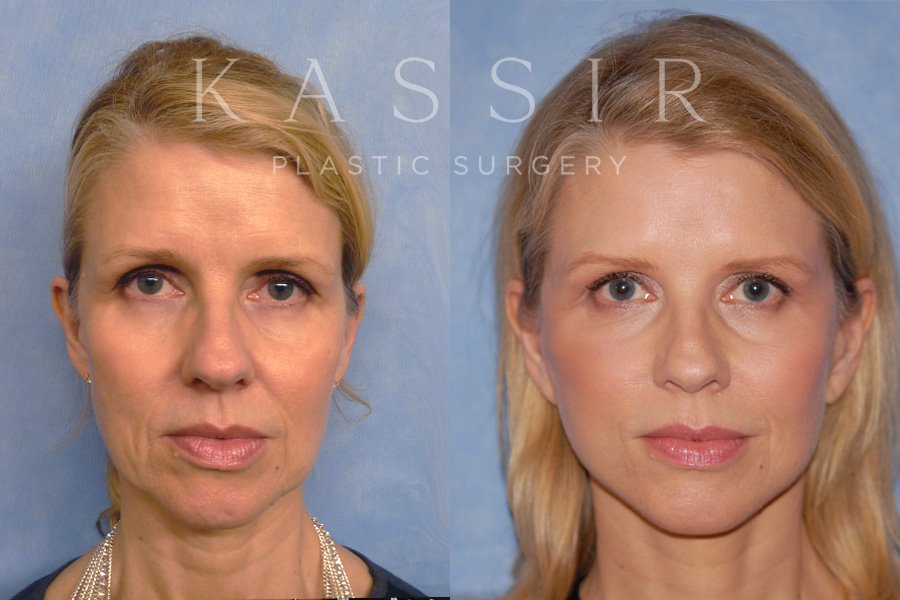
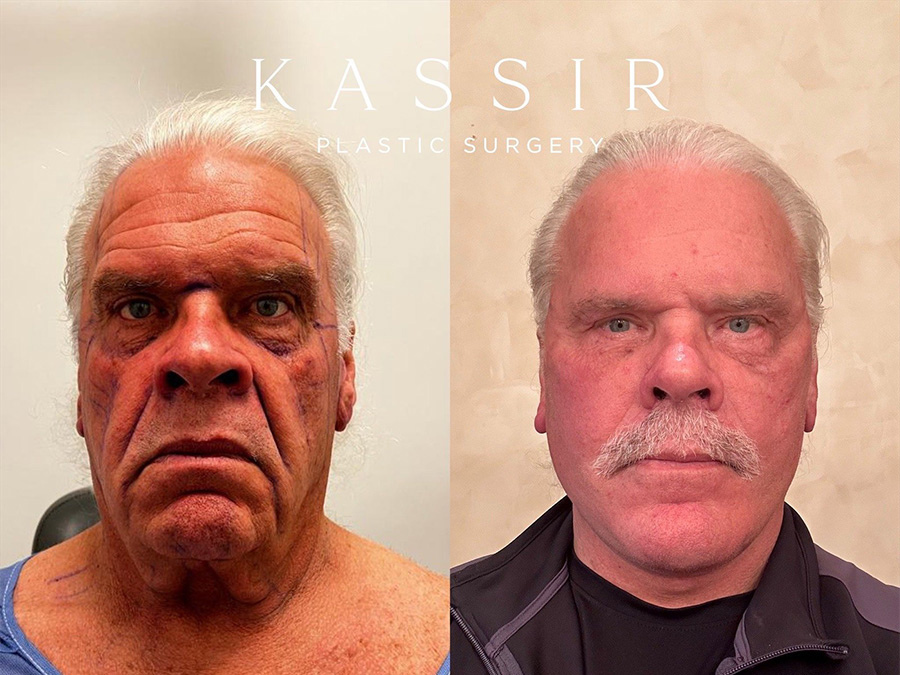
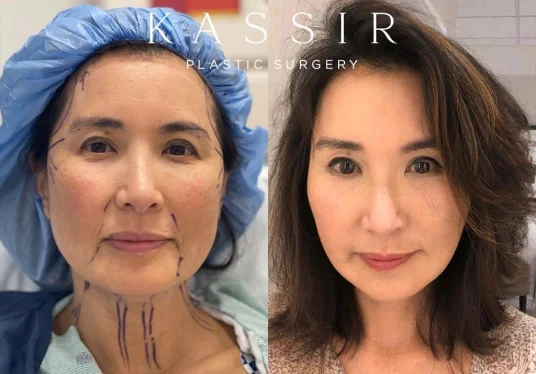
The best age for a deep plane facelift isn’t defined by the calendar—it’s when you’re emotionally, physically, anatomically, and financially ready. When facial laxity, jowling, or neck descent begin to interfere with your confidence or professional presence, that’s when it’s time to act.
Modern facelift patients want to do a little earlier rather than a lot later, which leads to more natural results and less downtime. “Sixty is the new forty,” as I often tell my patients, not just in spirit but in biology. The best facelift outcomes happen when you’re healthy enough to undergo anesthesia safely, emotionally ready for transformation, and young enough to enjoy the results for decades.