By Ramtin Kassir, M.D.
Medically reviewed by Ramtin Kassir, MD, facial plastic surgeon certified by the American Board of Facial Plastic and Reconstructive Surgery
A cheap facelift often leads to revision surgery because the lower price usually reflects a shortcut: tightening the skin instead of lifting the deeper muscle layer, leaving the facial ligaments tethered, or skipping the neck. Those shortcuts are behind most botched facelift results, from a pulled, windswept look to sagging that returns far sooner than it should.
Dr. Ramtin Kassir, MD, is a facial plastic surgeon in New York City who performs both first-time and revision facelifts. Below, we explain why low-cost facelifts fail, what a botched result looks like, what a revision involves, and how to choose your surgeon carefully the first time.
Key Takeaways
- The Price Reflects the Technique: Many low-cost facelifts tighten skin alone, which can stretch the face sideways and tends to relax sooner than a lift of the deeper tissues.
- Most Botched Results Share a Few Causes: Skin-only tension, ligaments left in place, poorly planned incisions, and an untreated neck appear again and again in revision cases.
- Revision Is More Complex Than a First Facelift: Scar tissue and altered anatomy make the second surgery more demanding, and it brings a second recovery.
- Choosing Carefully Once Costs Less: Verifying your surgeon’s board certification, facelift experience, and technique is the most reliable way to avoid a revision.
Why Do Cheap Facelifts Go Wrong?
Cheap facelifts usually go wrong because something essential was left out to lower the cost or shorten the operation. A facelift fee reflects the surgeon’s time, training, and the complexity of the technique, so a much lower price often means a simpler, faster procedure than your face needs.
Dr. Kassir sees the same causes repeatedly in patients who come to him for revision:
- Skin Pulled Instead of Lifted: A skin-only approach places tension on the skin rather than the SMAS (the muscular layer beneath it). Skin stretches, so the result can look tight at first, then relax early, often with visible tension near the ears.
- Ligaments Left Tethered: Retaining ligaments anchor the cheeks, jawline, and neck. If they aren’t released, the deeper tissues can’t move upward freely, and the lift works against them.
- Incisions Placed Without a Plan: Poorly planned incisions can remove the sideburn hair (the temporal tuft), move the hairline back, or leave scars that are easy to see around the ear.
- The Neck Left Out: Lifting the face without treating the deeper neck structures can leave bands and fullness under the jaw that no longer match the refreshed face.
- Volume and Balance Overlooked: Aging involves volume loss as well as descent. Lifting alone, without restoring volume where it’s needed, can produce a face that looks tight but hollow.
What Does a Botched Facelift Look Like?
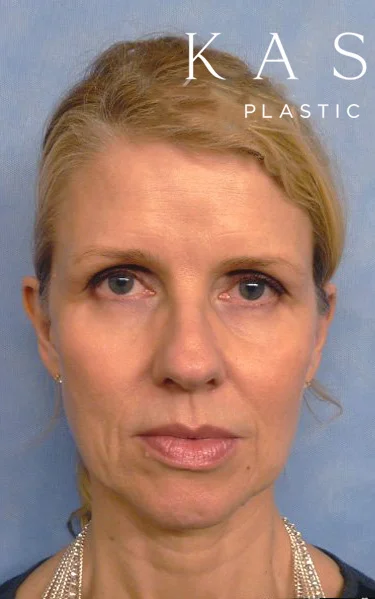
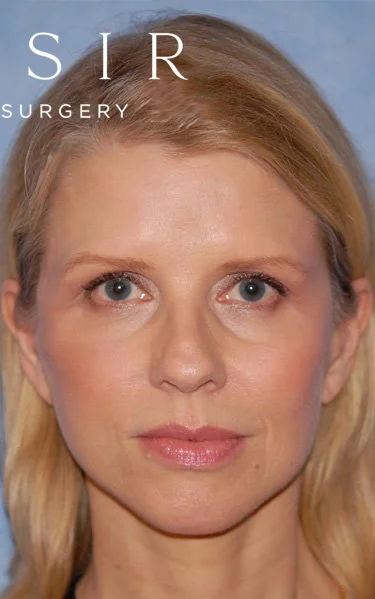
A botched facelift usually looks pulled, flattened, or uneven rather than naturally refreshed. Some signs appear as soon as swelling settles, while others, such as returning jowls, show up sooner than expected:
- A Pulled or Windswept Look: Tension directed sideways rather than upward can flatten the cheeks and widen the mouth, as though the face is turned into a strong wind.
- Pixie Ear: When the earlobe is pulled down and attached to the cheek, it takes on a stretched shape known as pixie ear (or satyr ear).
- Hairline and Sideburn Changes: A missing sideburn or a hairline that has shifted noticeably back can make the surgery obvious in profile.
- Visible or Widened Scars: Scars closed under tension can stretch, thicken, or sit where hair can’t cover them. Learn more about treating scars after plastic surgery.
- Early Return of Jowls and Neck Laxity: When the deeper layers weren’t lifted, sagging along the jawline and neck can return well before the 10 to 15 years a well-planned facelift typically lasts.
- Asymmetry: Clear differences between the two sides of the face, beyond the natural asymmetry everyone has.
The Real Cost of a Cheap Facelift
A cheap facelift can end up costing more than a carefully performed one, because a revision means a second operation, a second recovery, and more time away from work and social life. Revision surgery is also more involved than a first facelift: scar tissue, altered anatomy, and previously released or mishandled ligaments make the work slower and more exacting.
For context, the average cost of a facelift at Dr. Kassir’s New York City practice is about $75,000, which includes a neck lift, with the final fee set at your consultation. Revision fees depend on what needs correcting, and financing is available for qualified patients, including through Cherry.
There is also the cost of time. Most patients feel comfortable going out in public about 10 to 14 days after a facelift, and final results settle over three to six months. A revision repeats that timeline.
Can a Botched Facelift Be Fixed?
In many cases, yes. A revision facelift is a secondary facelift that corrects problems left by an earlier surgery, such as residual sagging, a pulled look, asymmetry, or poorly placed scars. Because the anatomy has already been altered, it calls for a surgeon with extensive experience in facial anatomy and revision work.
Dr. Kassir approaches revision as a structural correction rather than a second skin tightening. He works layer by layer, from the brow and midface to the lower face and neck, using a deep plane technique that releases the retaining ligaments and repositions the deeper tissues along the natural direction of aging.
Where possible, he places incisions along the previous ones to avoid adding new scars, and he may combine the revision with fat transfer, eyelid surgery, or skin resurfacing. Results vary, and some changes, such as lost sideburn hair, can be improved but not always fully reversed.
Timing matters too. Tissues need to heal fully before a second operation, so a revision is usually planned only after swelling and scar tissue from the first surgery have settled. Dr. Kassir will recommend the right timing after examining you.
How to Choose a Facelift Surgeon the First Time
The most reliable way to avoid a revision is to choose your surgeon for training and technique rather than price. During your consultations, look for:
- Named Board Certification: Confirm certification by the American Board of Facial Plastic and Reconstructive Surgery or the American Board of Plastic Surgery, and verify it on the board’s website.
- A Facelift-Focused Practice: Ask how many facelifts the surgeon performs each year and how much of their work involves the face.
- A Clear Explanation of Technique: Ask which layer will be lifted (skin, SMAS, or deep plane) and whether your neck will be treated.
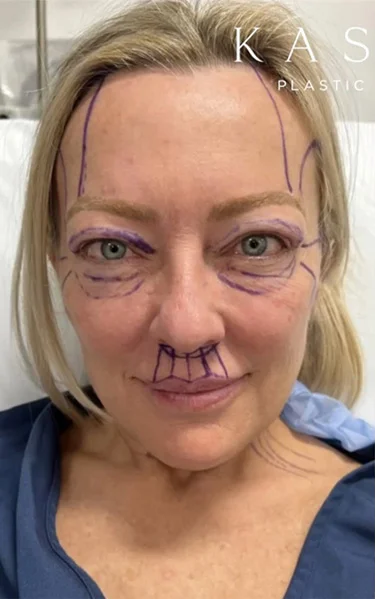
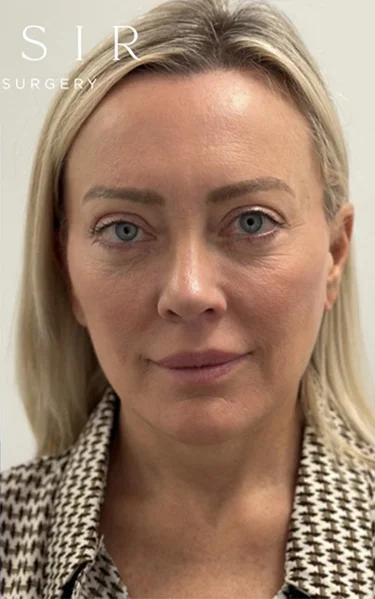
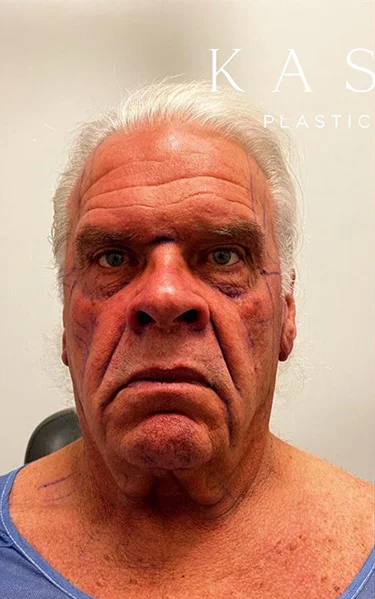
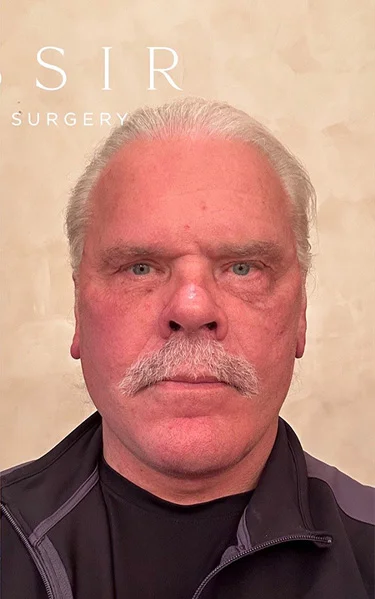
- Real Before-and-After Photos: Review front and side photos taken at least a year after surgery, from patients with concerns similar to yours.
- A Realistic Plan: A careful surgeon explains what a facelift can and can’t do and never pressures you to book.
- Accredited Facilities and Recovery Support: Ask where the surgery takes place and who will care for you in the first days afterward.
How Dr. Kassir Approaches Facelift and Revision Facelift in New York City
Dr. Kassir is a triple board-certified facial plastic surgeon, certified by the American Board of Facial Plastic and Reconstructive Surgery, the American Board of Otolaryngology, and the American Board of Sleep Medicine. He completed his residency in otolaryngology–head and neck surgery at the University of Texas Medical Branch and a fellowship in facial plastic and reconstructive surgery at the University of South Florida.
Over nearly three decades, he has performed well over 10,000 facial aesthetic procedures. He is a Fellow of the American College of Surgeons, the author of The Art and Anatomy of Facial Aesthetic Surgery, and the founder and chairman of the NYC Facelift & Rhinoplasty Master Course™, where surgeons from around the world study advanced facial rejuvenation.
His facelift approach centers on the deep plane technique, which lifts the deeper tissues rather than stretching the skin, so results look natural and can last 10 years or longer. Recovery is supported by the Kassir Plastic Surgery Wellness Center, with private nursing, lymphatic drainage, and hyperbaric oxygen therapy. You can also view his facelift before-and-after gallery; results vary.
Botched Facelift FAQs
-
A botched facelift often looks pulled, flat, or uneven rather than refreshed. Common signs include a windswept appearance, earlobes pulled down onto the cheek (pixie ear), a missing sideburn or shifted hairline, visible scars, asymmetry, and jowls or neck laxity that return much sooner than expected.
-
Many botched facelifts can be improved with a revision facelift. The surgeon releases scar tissue and tethered ligaments, then repositions the deeper tissues correctly. Results depend on your anatomy and what was done before, and some changes, such as lost sideburn hair, may be improved but not fully reversed.
-
Most surgeons recommend waiting until swelling has fully resolved and scar tissue has matured, which typically takes many months after the first surgery. Dr. Kassir will assess how you’ve healed and recommend timing for your situation during your consultation.
-
A revision facelift is often priced higher than a first facelift because scar tissue and altered anatomy make the surgery longer and more complex. The fee depends on what needs correcting and any added procedures. Dr. Kassir provides a personalized quote at your consultation, and financing is available.
-
A well-performed facelift typically lasts about 10 to 15 years, depending on your age, genetics, skin quality, and lifestyle. Deep plane results can last 10 years or longer because the deeper tissues are repositioned rather than held by skin tension. Your face will continue to age naturally afterward.
-
Risks include bleeding or hematoma (blood collecting under the skin), infection, nerve injury affecting facial movement or sensation, widened scars, hair loss near incisions, asymmetry, and slow healing. Revision surgery carries similar risks, sometimes higher because of scar tissue. Dr. Kassir reviews them with you in detail.
Schedule Your Consultation
If you’re considering a facelift, or would like a second opinion on an earlier one, schedule a consultation with Dr. Kassir at Kassir Plastic Surgery. Call 212-288-3000 or request an appointment online to visit the office at 65 East 66th Street in New York City or the office in Ridgewood, New Jersey.